
PAN International’s European Parliament Event Highlights Role of Healthy Diets in Cardiovascular Disease Prevention
Cardiovascular disease remains Europe’s leading cause of death, yet prevention still receives only a small share of health investment. Against this backdrop, medical experts and EU policymakers gathered in Brussels to call for stronger action on diet-related risk factors and healthier food environments across Europe.

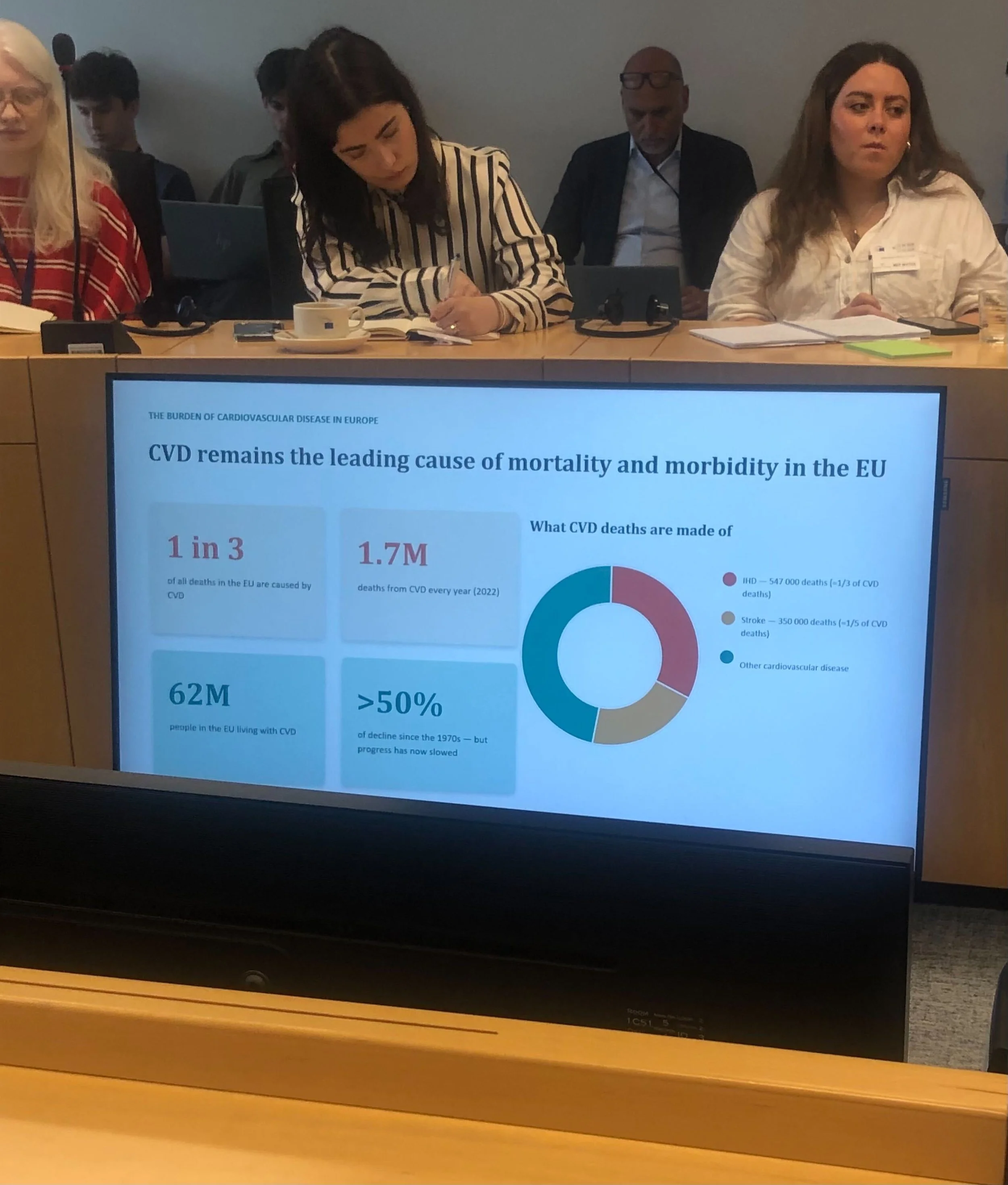
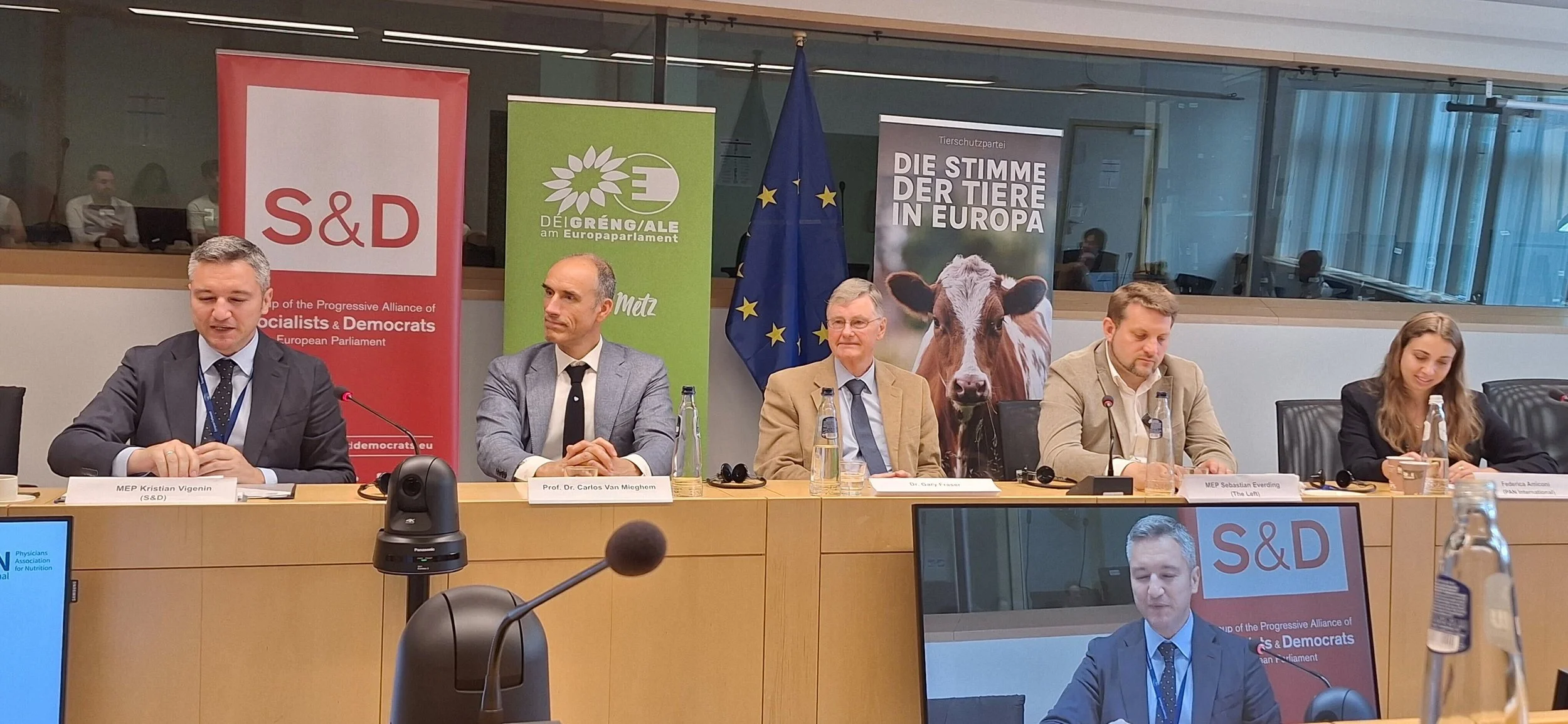
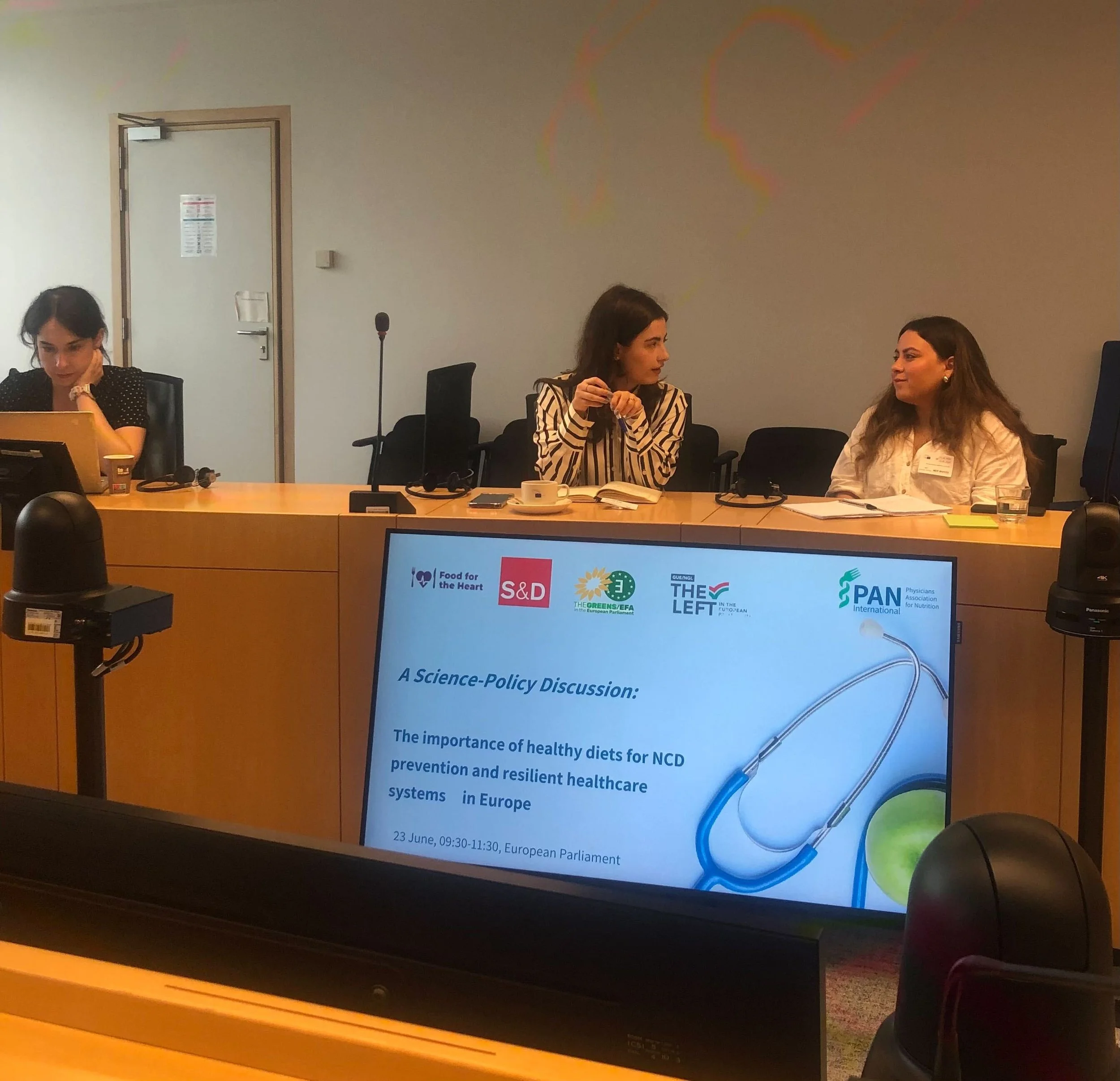
On 23 June 2026, PAN International convened a science-policy discussion at the European Parliament on the importance of healthy diets for non-communicable disease prevention and resilient healthcare systems in Europe.
The event was co-hosted by Members of the European Parliament Tilly Metz, Kristian Vigenin and Sebastian Everding, and brought together policymakers, scientists, civil society, medical professionals and industry representatives to examine the evidence linking diet to cardiovascular health and discuss how nutrition policy can be strengthened across the EU public health agenda.
The discussion took place in the context of the EU Safe Hearts Plan, the first comprehensive EU-level cardiovascular health initiative, and the European Parliament’s own-initiative report on cardiovascular health, which is expected to come to a plenary vote in September 2026.
A growing and preventable burden
Cardiovascular disease remains the leading cause of death in the EU, accounting for roughly one in three deaths and costing the European Union an estimated €282 billion each year in lost productivity and economic output. Despite this burden, only around 3% of health budgets across the EU are dedicated to prevention.
Opening the scientific session, Prof. Dr Carlos Van Mieghem, cardiologist at AZ Groeninge Kortrijk, KU Leuven and the European Lifestyle Medicine Council, highlighted the urgent need to move prevention further upstream.
He warned that after decades of decline, cardiovascular mortality has been rising again since 2019 across all age groups, driven in part by preventable risk factors, including diet. He also noted that 80–90% of cardiovascular disease is preventable, and presented evidence showing that disease progression can be improved, and in some cases reversed, through sustained dietary change.
Prof. Dr Van Mieghem argued that the “quick-fix” model of treating chronic disease through pills or procedures alone is no longer sufficient. Instead, he called for action that tackles the root causes of cardiovascular disease, including by informing people about, prescribing and facilitating the consumption of healthy foods.
Dietary change as part of the solution
Dr Gary Fraser, lead researcher of the long-running Adventist Health Studies, presented evidence from data covering more than 40,000 vegetarians and 40,000 non-vegetarians.
His presentation highlighted lower rates of obesity, hypertension, several cancers and overall mortality among vegetarians compared with non-vegetarians, alongside reduced risk associated with higher fibre and nut consumption. The findings reinforced the importance of eating more plant-based foods, including nuts, while cutting back on red meat and ultra-processed foods.
Together, the presentations showed that nutrition is not a peripheral issue in cardiovascular prevention. It is a central, evidence-based part of reducing disease risk and improving long-term health outcomes.
From scientific evidence to policy action
MEP Sebastian Everding, Shadow Rapporteur on the European Parliament’s own-initiative report on cardiovascular health, described the EU Safe Hearts Plan as a historic milestone, but warned that a gap remains between scientific ambition and policy delivery. He pointed to the Parliament’s upcoming vote on cardiovascular health as an important test of political will.
MEP Tilly Metz called for the EU to recognise plant-based foods as a powerful public health lever, highlighting several live policy windows where the evidence can be translated into action. These include the EU Cardiovascular Health Strategy, the revision of public procurement rules, the Common Market Organisation regulation and the EU school scheme.
Participants also discussed the role of nutrition education, healthier food environments and the importance of establishing healthy dietary habits early in life. Speakers raised concerns about the influence of industry lobbying on nutrition policy, as well as the spread of diet-related misinformation on social media, calling for clearer public communication of the scientific evidence.
Closing the discussion, MEP Kristian Vigenin underlined that European healthcare systems remain highly effective at treating disease, but less effective at preventing it. He also stressed that healthy diets are not simply a matter of personal choice, noting that 8.5% of the EU population cannot afford a proper meal every second day.
Prevention must become part of Europe’s cardiovascular health strategy
Federica Amiconi, EU Public Affairs Officer at PAN International, closed the event by noting that the challenge facing EU policymaking is not a lack of evidence, but the political will to act on it.
The discussion made clear that Europe has several immediate opportunities to strengthen prevention and improve cardiovascular health. These include the Safe Hearts Plan, the European Parliament’s cardiovascular health report, the upcoming EU Protein Plan, the revision of public procurement directives, the EU school scheme and the European Commission’s study on ultra-processed foods.
For PAN, this event forms part of the wider Food for the Heart campaign, which aims to advance evidence-based nutrition as an essential part of cardiovascular prevention, management and public health action.
The way forward requires coordinated action across healthcare, policy and food environments. Diversifying protein sources towards more plant-based proteins, making healthy foods easier to access, and shifting more healthcare investment towards prevention could deliver significant benefits for people, health systems and the planet.
As Europe works to strengthen its cardiovascular health response, PAN will continue to advocate for nutrition policy that is evidence-based, prevention-focused and aligned with the urgent need to build healthier, more resilient healthcare systems.